Film · 35mm
Thirty-six frames
A digital body will happily give you four hundred pictures of one afternoon. A roll gives you thirty-six, and that single constraint changes what you photograph, how long you wait, and what you are willing to walk away from.
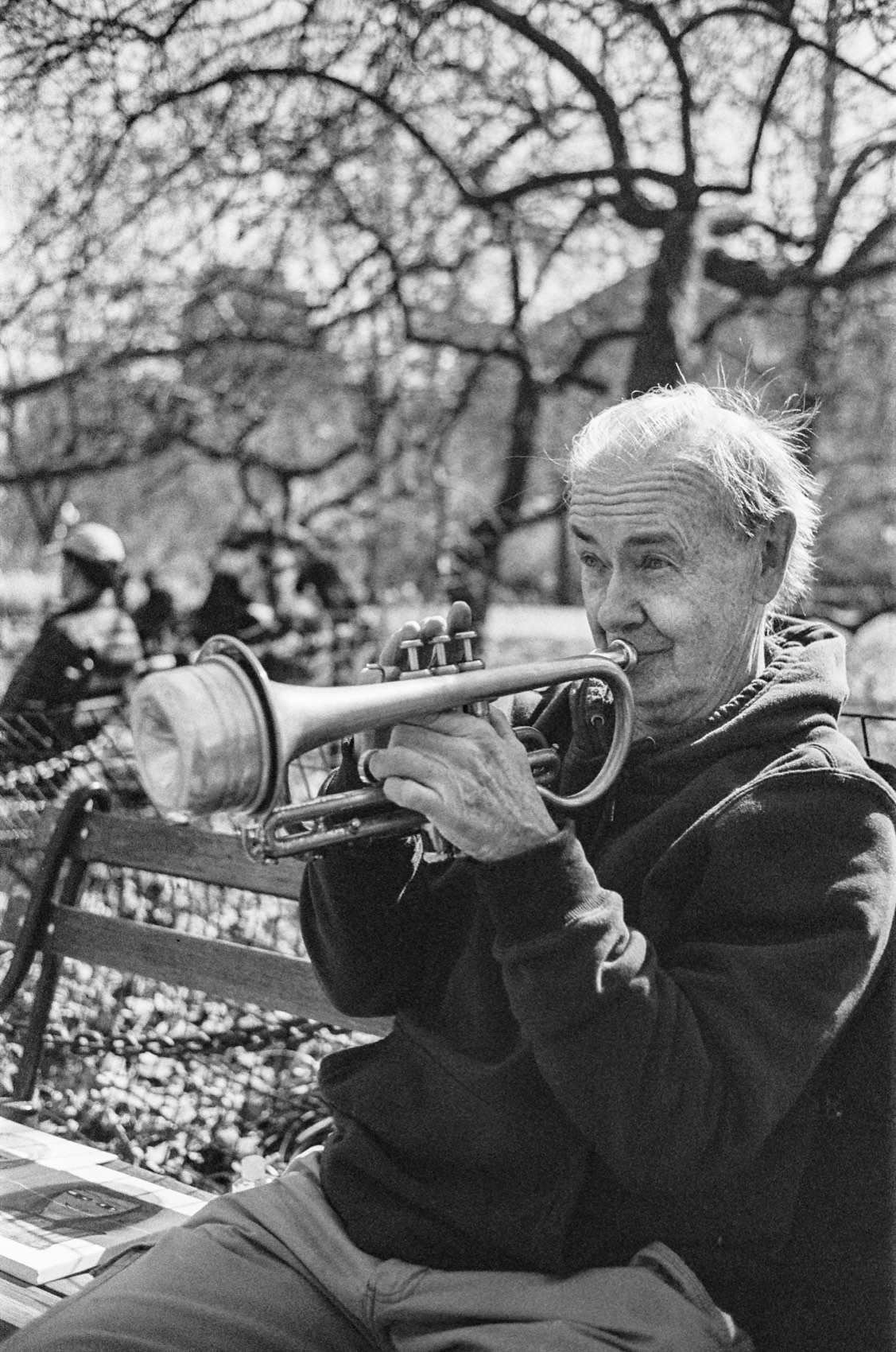
The first thing film takes away is the insurance frame. On digital, when something nearly works, you take it again, and again, because it costs nothing, and the decision about which one was right gets deferred to a screen at home. Deferring is comfortable. It is also where a lot of photographers stop learning, because the moment of judgement never happens while you are standing in front of the thing.
With thirty-six exposures the judgement moves back to the street, where it belongs. You start asking a different question before you press the shutter: not "is this interesting" but "is this worth one of the remaining frames." Those are not the same question, and the second one is much harder to lie to yourself about.
What actually changes
You wait longer. The single biggest difference in how a day looks. Knowing you have twelve frames left makes standing still for four minutes feel reasonable, and standing still is the whole technique. The best frames on a roll are almost always the ones where the composition was set and you simply held position until the street delivered.
You commit to one exposure. No bracketing, no chimping, no adjusting between shots. You set the exposure for the light you're standing in, sunny side of the street, shady side, indoors, and you leave it. Colour negative is generous about this in one direction: it holds overexposure remarkably well and loses shadows fast, so the working rule is the inverse of digital. Rate it a little slow and let the highlights carry. Box speed 400 metered at 200 gives you dense, printable negatives all day.
You stop editing while shooting. There is no back screen to look at, so the loop between taking and evaluating breaks. That sounds like a loss and it is actually the point, attention stays on the street instead of on the camera, and you notice the second thing happening on the corner rather than reviewing the first.
The frame you don't take because you're not sure is the discipline. The frame you take because you're not sure is the habit film breaks.
The week in between
Then the roll goes to the lab and nothing happens for a week. This gap does something no workflow feature can reproduce: it separates the memory of shooting from the evidence of it.
By the time the scans come back, you have forgotten which frames you were excited about. You are looking at the pictures rather than at your own intentions, and the ranking that comes out of that is different, usually better, than the one you would have made on the walk home. Frames you were certain about turn out ordinary. A frame you barely remember taking turns out to be the roll.
Some of that is just distance, and you can fake it on digital by refusing to look at a card for a week. Almost nobody does. Film enforces it.
A practical setup
One body, one lens, one stock, one rating. The variables you remove are the ones that produce hesitation. A 35mm or 40mm lens, colour negative at 400, metered a stop generous, zone-focused at about three metres and f/8 in daylight, set that up once and the camera stops being a decision.
What it doesn't fix
Film will not make an uninteresting frame interesting. The grain, the halation around a light source, the particular way colour negative renders a red awning at dusk, all of that is texture on top of a picture, and if the picture underneath isn't there, the texture reads as an excuse. There is a whole genre of photograph that exists purely to demonstrate that it was shot on film, and it is worth being honest about whether you're making one.
The value is in the constraint, not the medium. If you want most of the benefit without the lab bill: put a digital body in manual, cover the screen with tape, and give yourself thirty-six frames for the day. Nearly everything described above still happens.
How the chapter was chosen
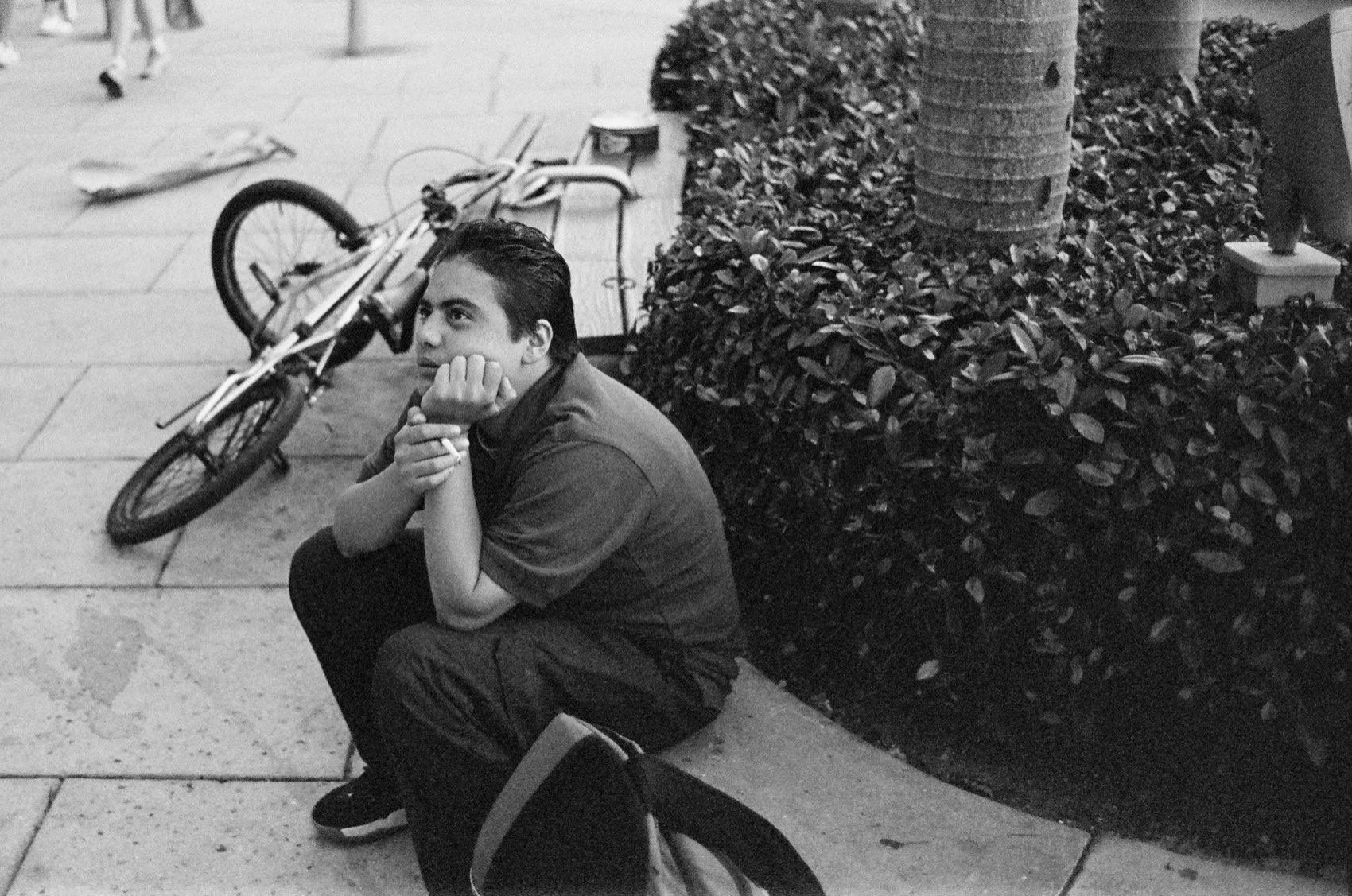
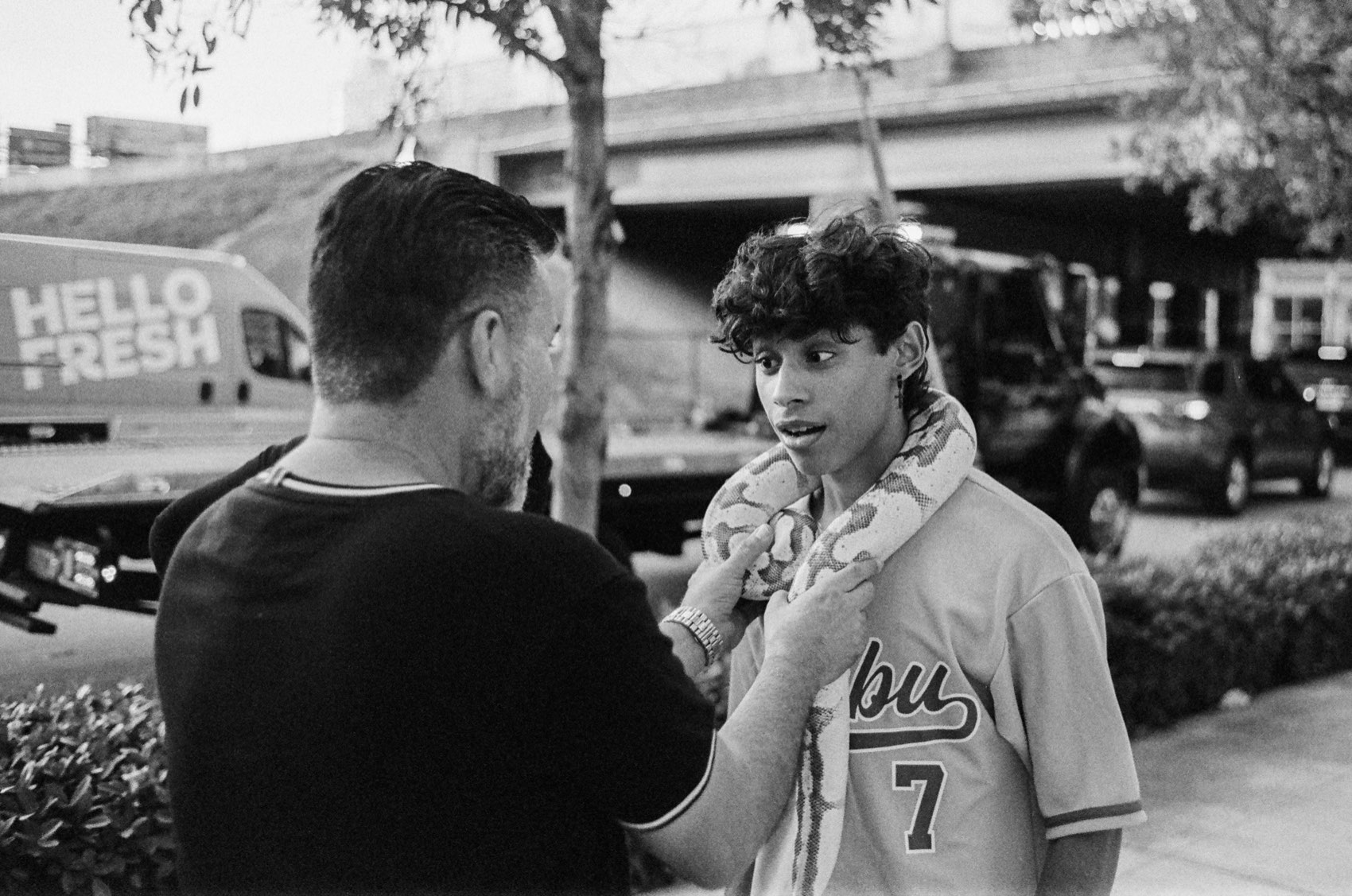
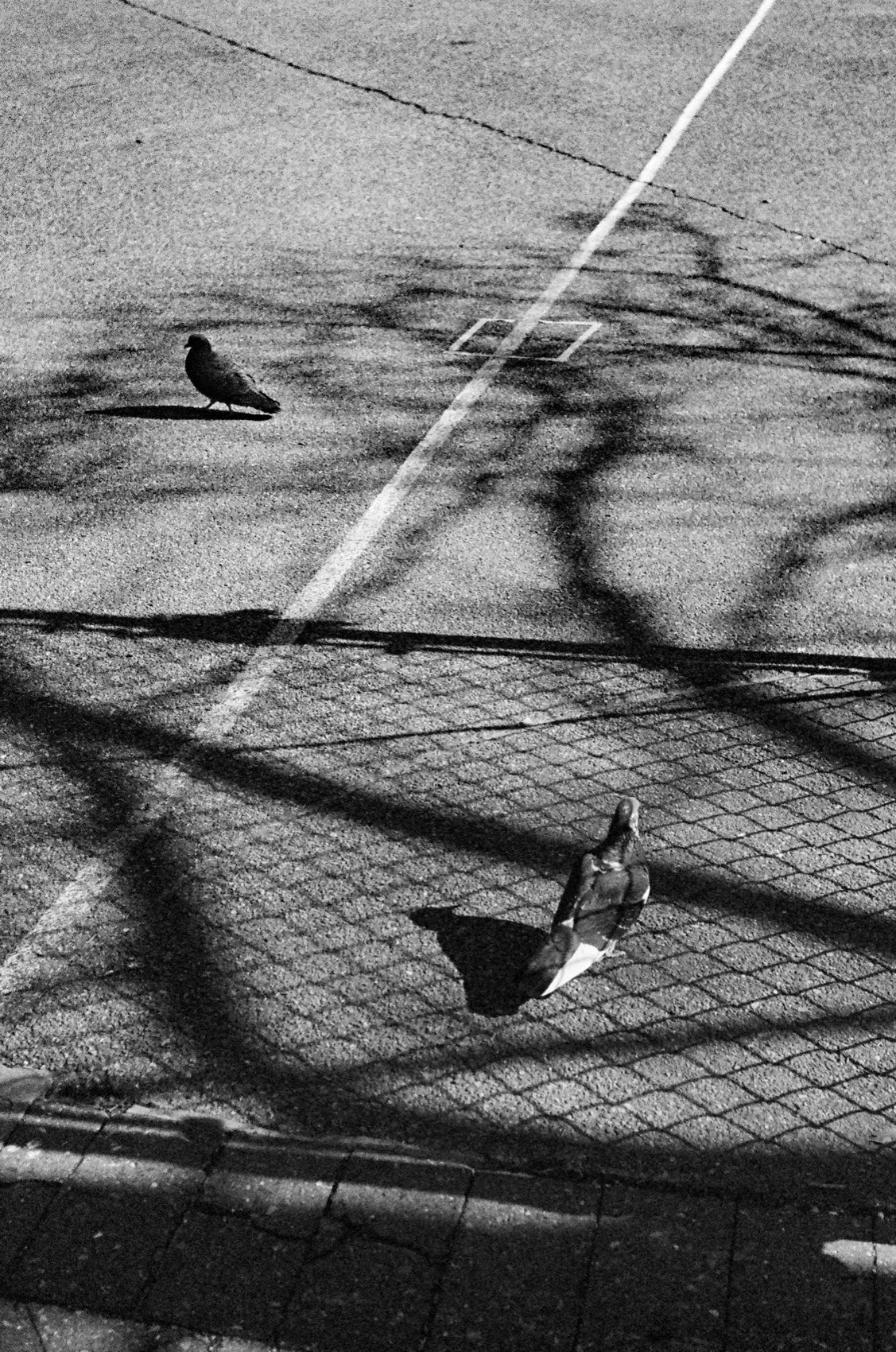
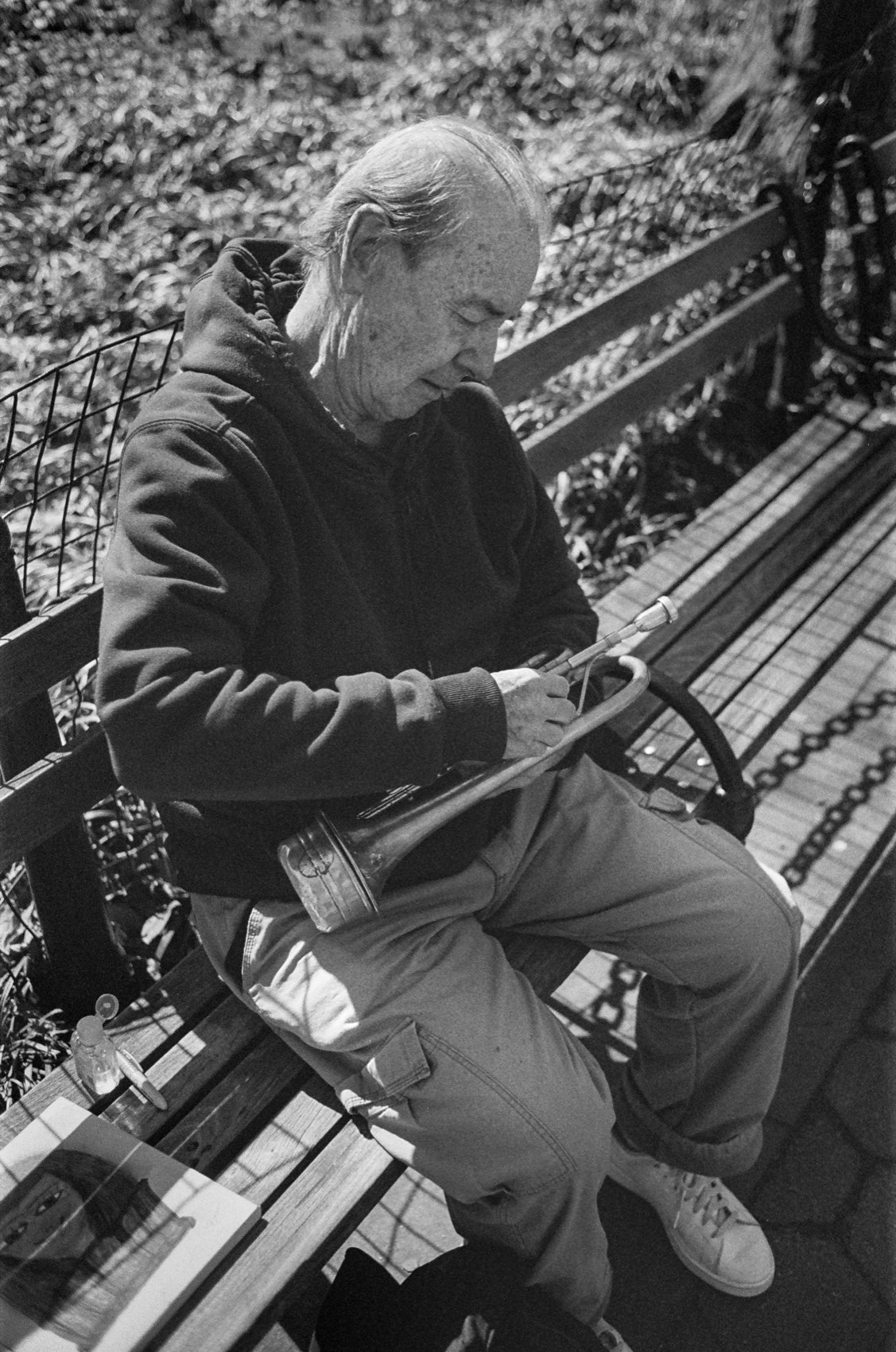
Twelve frames from four rolls shot between New York and Miami. There is a reject bin from those rolls that is roughly the same size as the keep pile, which is the honest ratio and worth saying out loud, a roll that yields three good frames is a good roll, and most of them don't.
What made the cut mostly wasn't the sharpest or the most technically clean. It was the frames where waiting had clearly happened.
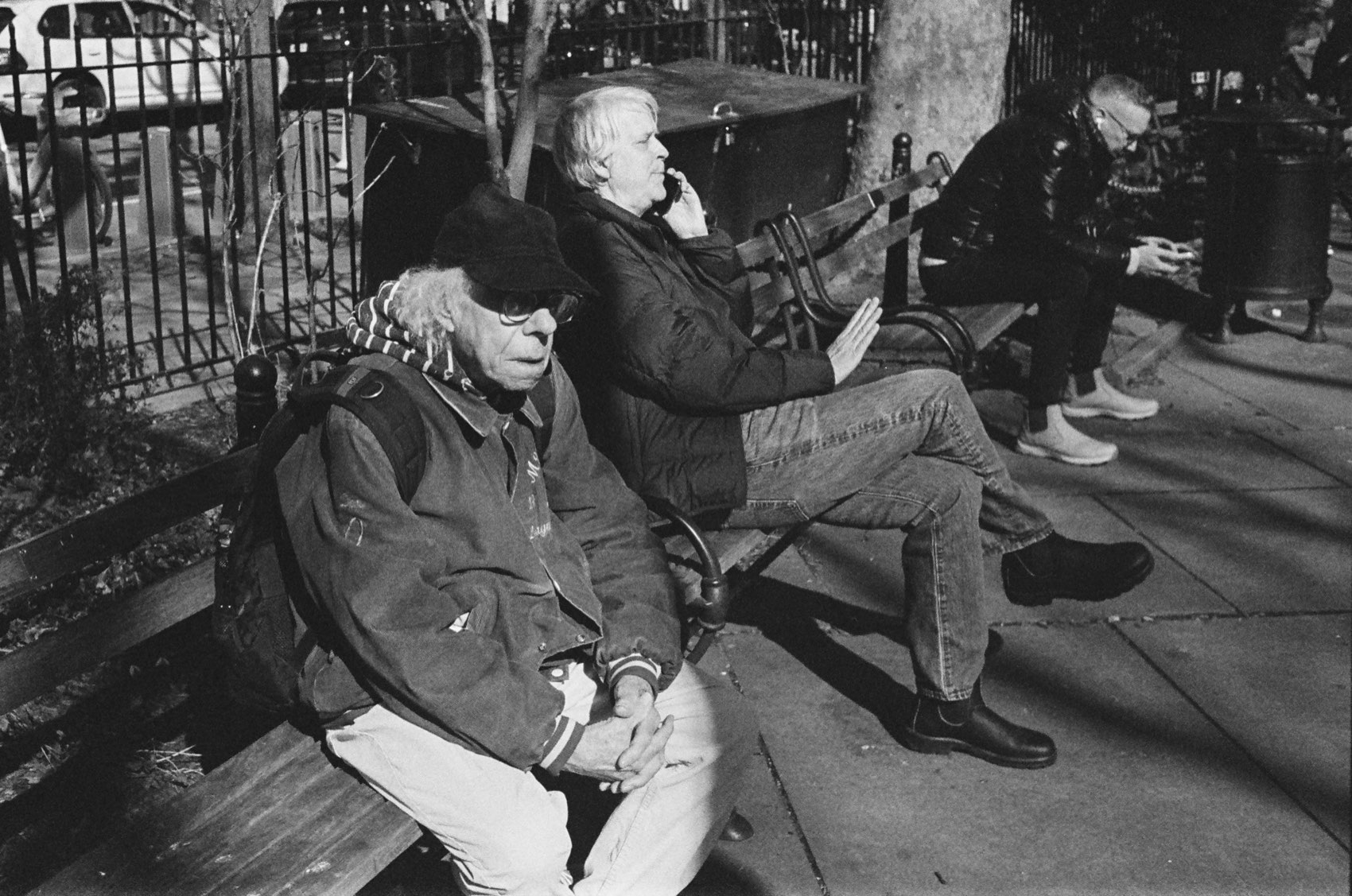
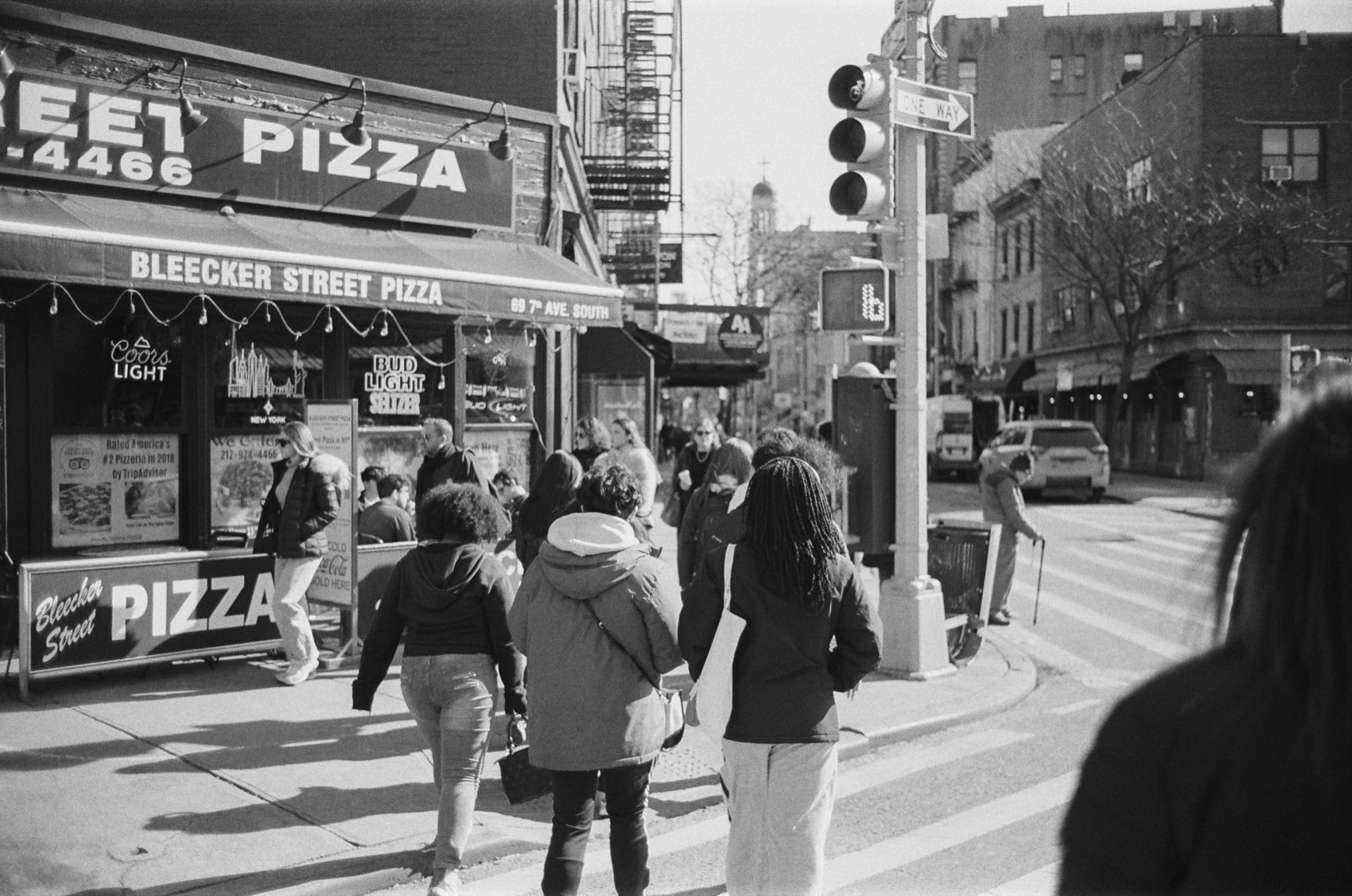
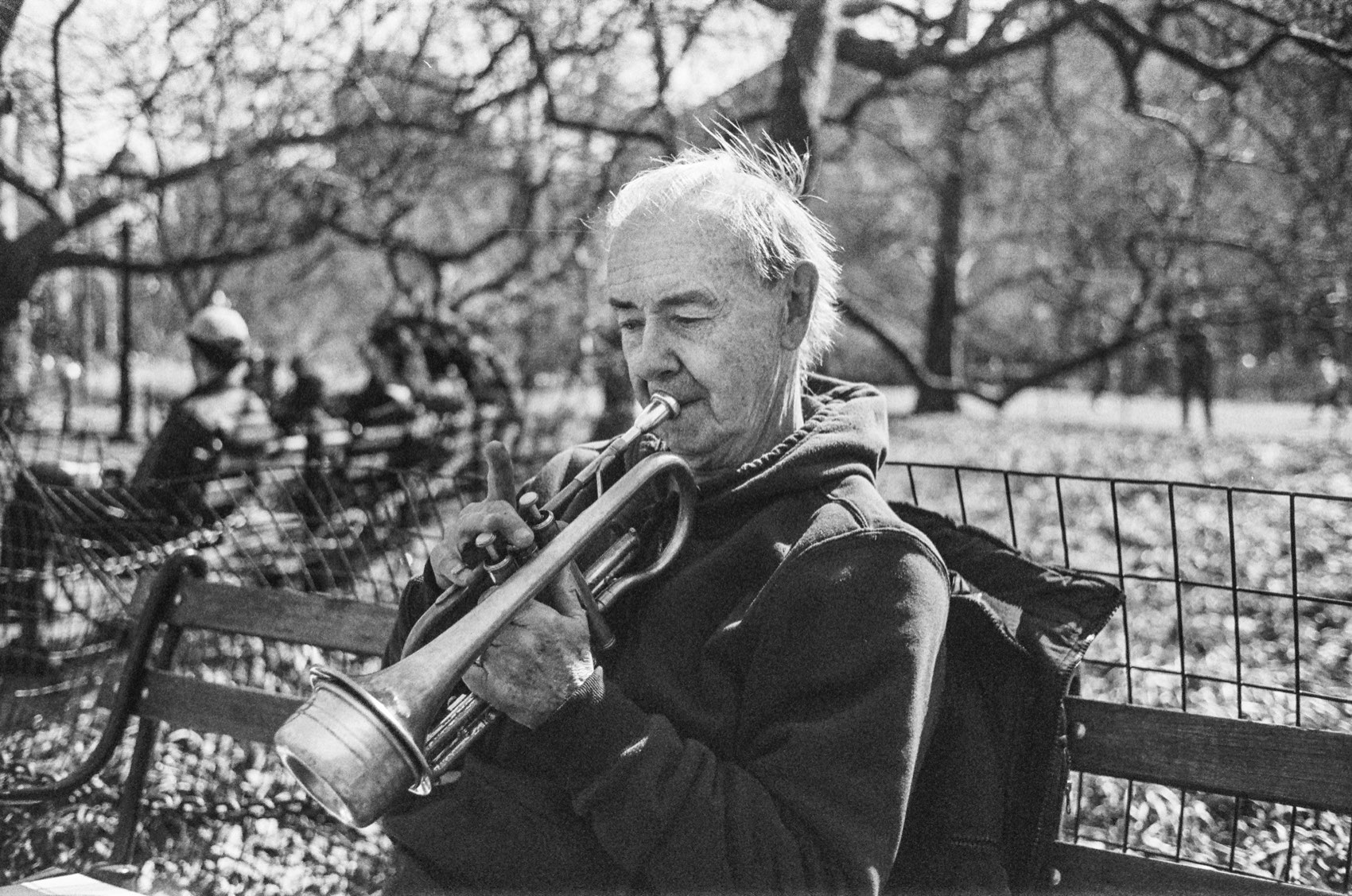
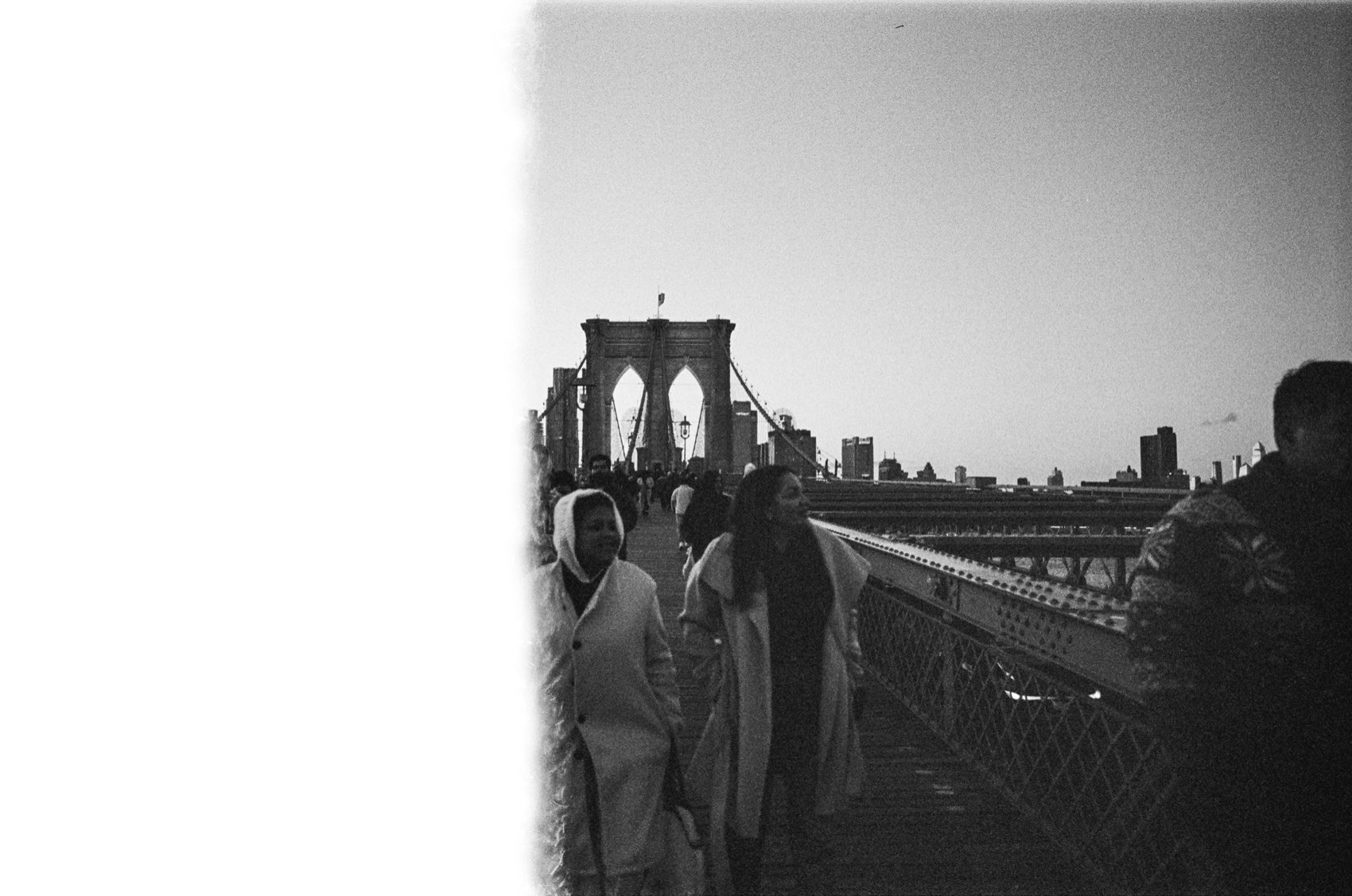
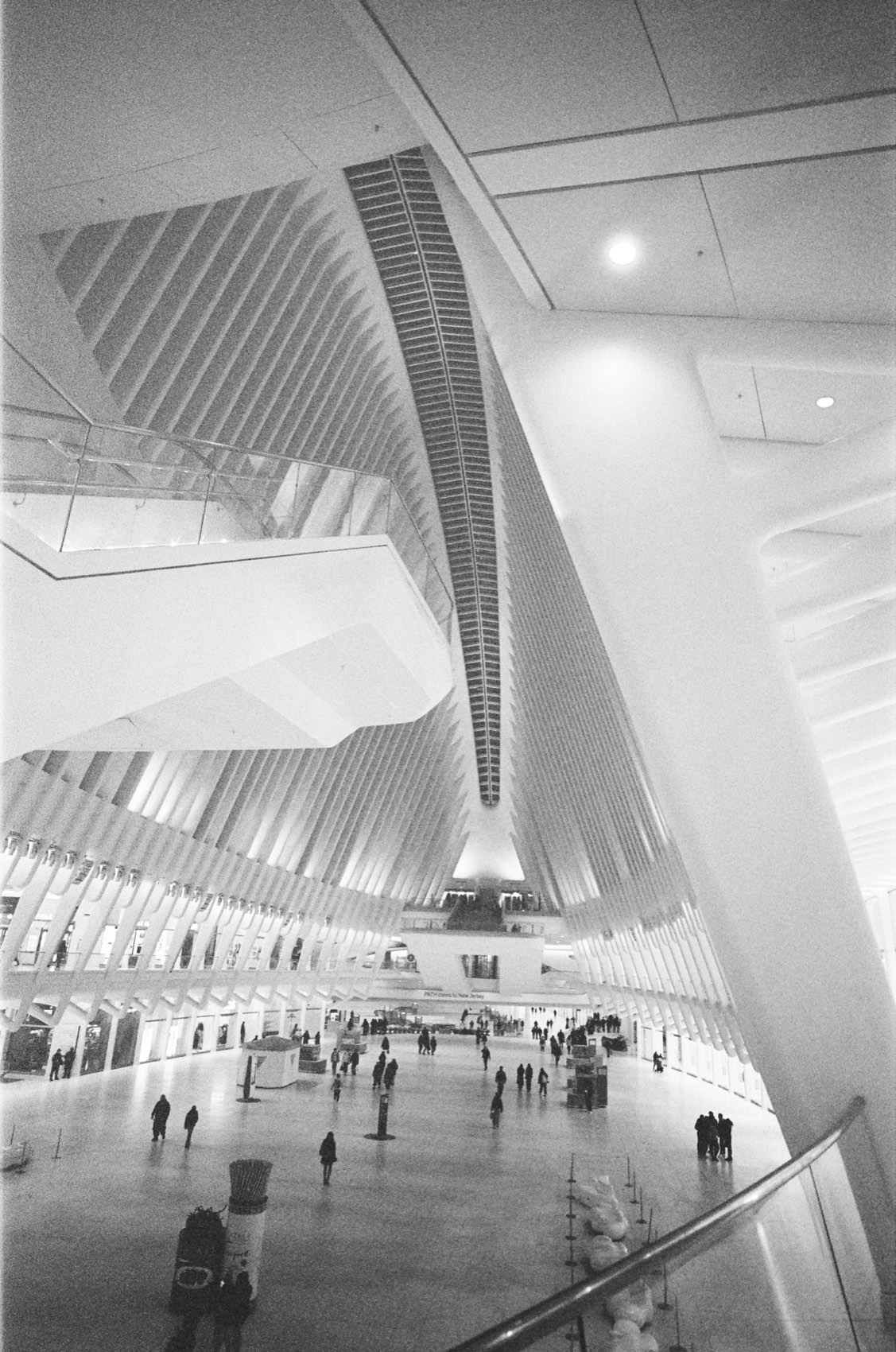
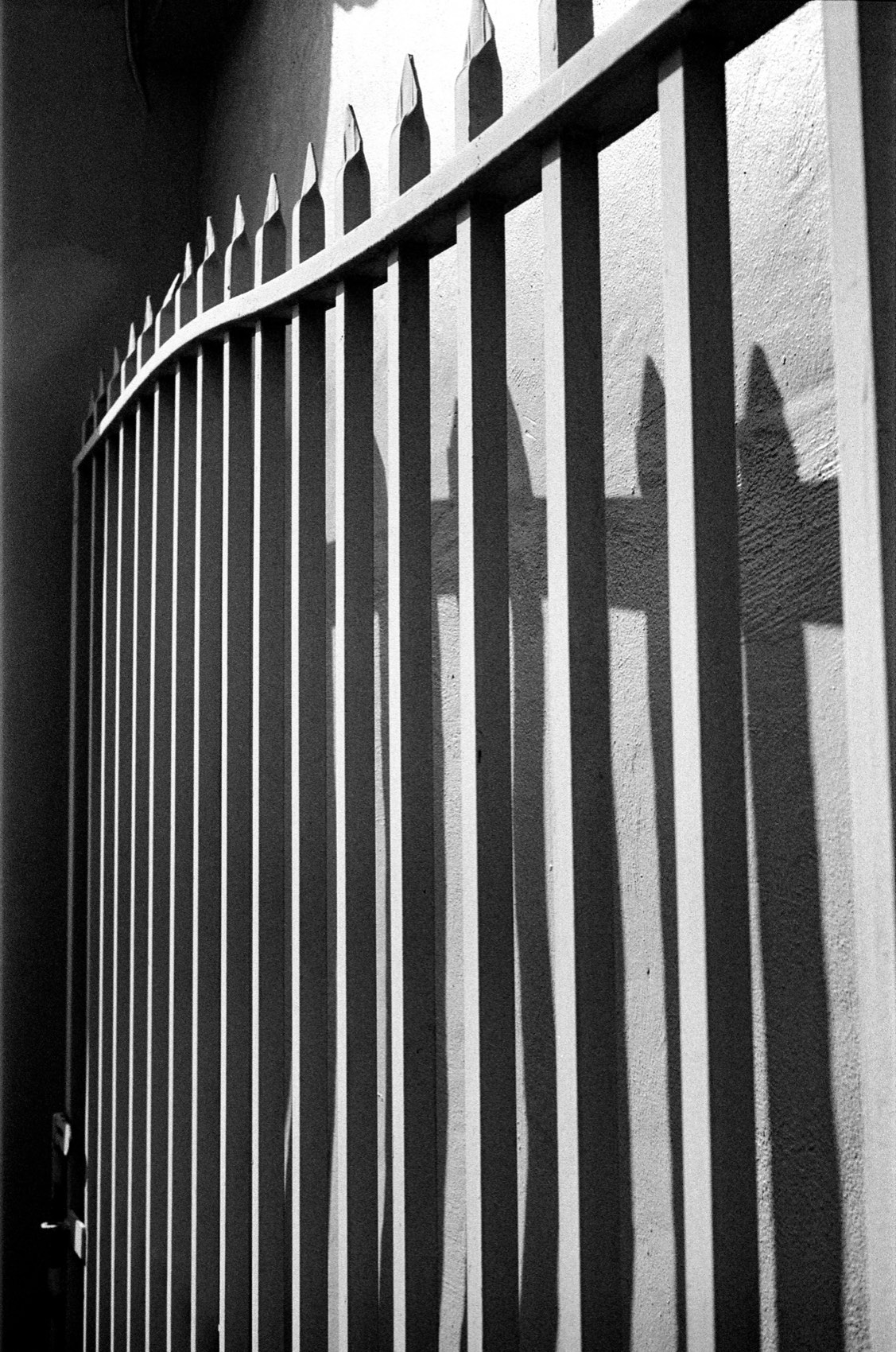
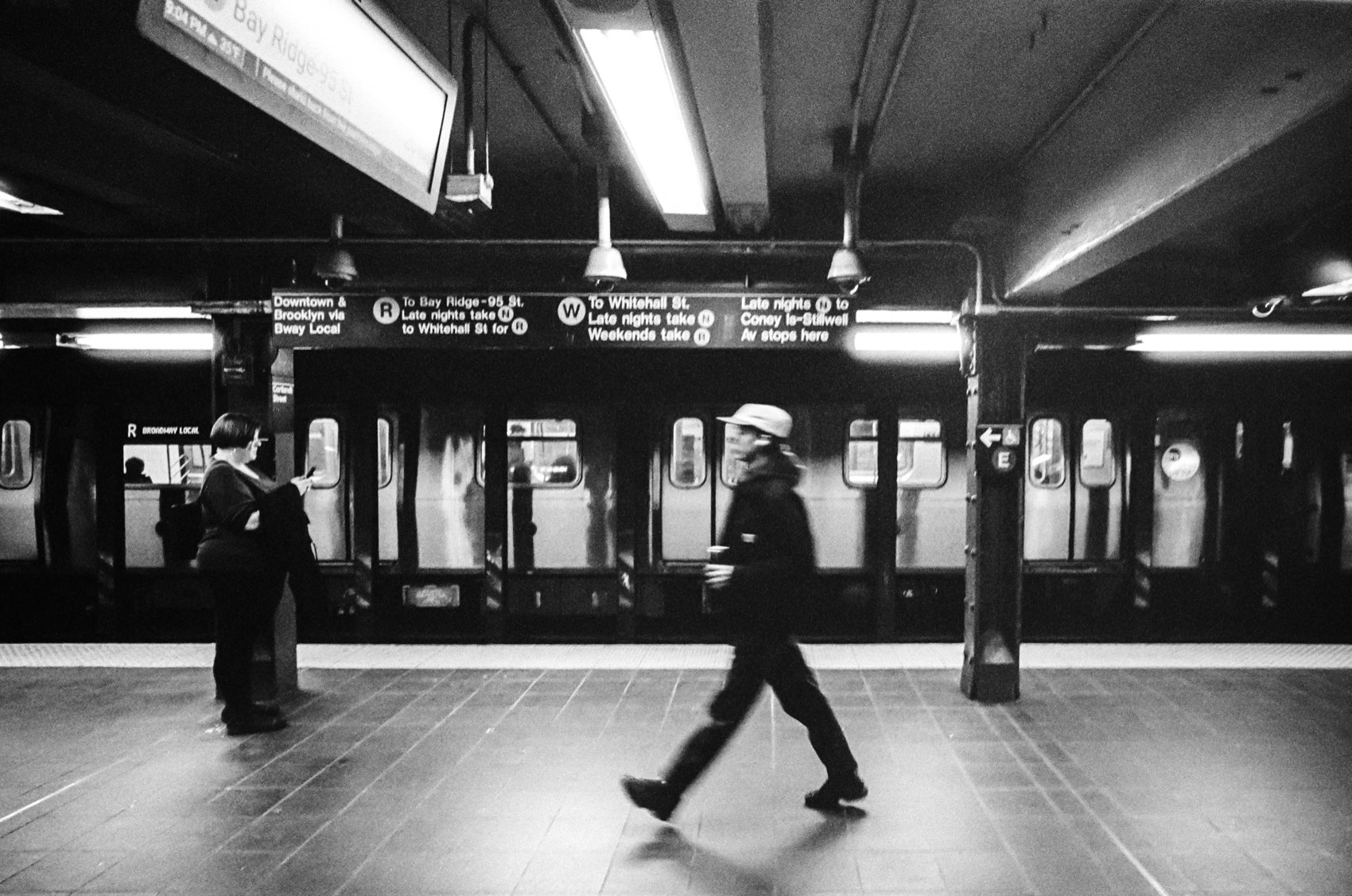
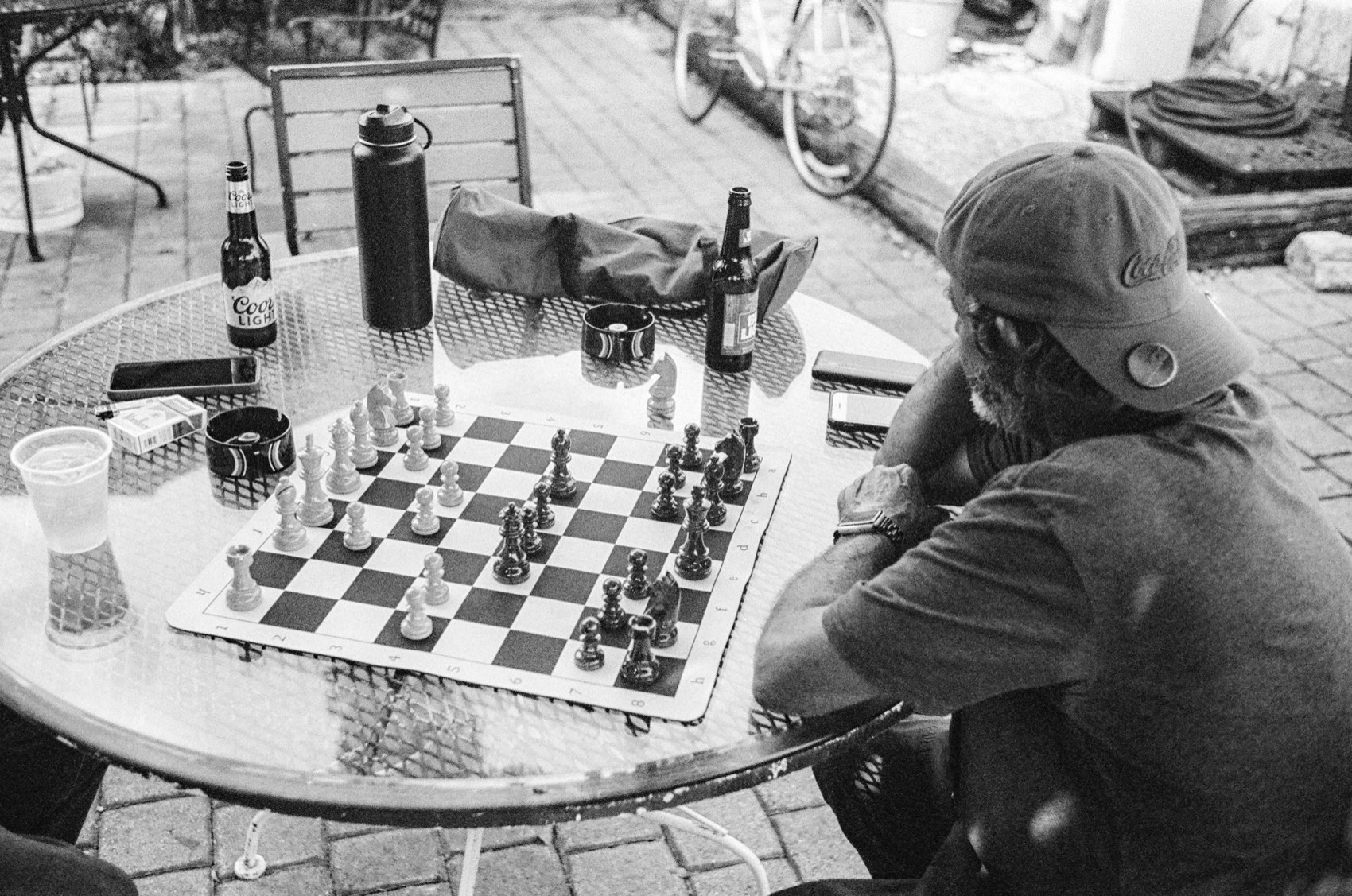
These four are the black-and-white rolls. Everything above about rating colour negative a stop slow still holds for the colour stock, but a roll is one emulsion from end to end, and these came back grey: no channel to mix afterwards, the yellow filter or nothing, the same bargain the Monochrom makes with a shutter instead of a lab.