Craft
One lens
If you cannot master one lens, you will not master several. Nearly half of everything on this site was made at a single focal length, and I can show you the count.
The question comes up on every walk, usually before we have gone a block. Which lens should I have brought? The answer is always the same and nobody likes it: the one already on the camera.
My position is simple. If you cannot master one lens, you are not going to master several. Options do not make you more capable. They make you slower, and they spread the hours you have thinly enough that nothing gets learned properly. Understanding a focal length is a commitment. It is learning to see through that particular piece of glass until you stop seeing the glass at all, and that takes a season, not a weekend.
What the options actually cost
The obvious cost is money, and that is the least of it. The real cost is attention. Every new piece of glass restarts a clock. You spend the first month testing it rather than using it, comparing it against the one you already had, reading about it at night, looking for the situation that proves the purchase was right. None of that is photography. It is shopping with a longer tail.
The second cost is worse and less obvious. Carrying options moves the decision to the wrong moment. With one lens the only question on the street is where to stand, and you can answer that with your feet while the thing is still happening. With three lenses the question becomes which one to put on, and that question arrives at exactly the moment the picture is leaving. I have watched people miss a frame while unzipping a bag. I have done it myself, which is how I know what it feels like.
What mastering one lens actually means
It has nothing to do with knowing the lens on paper. Nobody has ever taken a better photograph because they could recite a chart.
It means you know what the lens takes in without looking through it. You walk down a street and the frame is already drawn on it: you can see that stepping back one pace brings in the doorway, that two paces brings in the parked car you do not want, that if you crouch the sign clears the head. The camera stops being an instrument you consult and becomes something you confirm with. By the time it is at your eye the decision has already been made, and all that is left is the moment.
You cannot get to that with four lenses in a bag, because you never accumulate enough hours in any one of them. Three focal lengths used occasionally is three things you are mediocre at.
The count, from my own files
I would rather show you this than argue it. There are 243 photographs published on this site. These are the focal lengths they were actually made at, read out of the files themselves:
Bars are scaled against the largest share, not against the whole. Thirty-three of the 35 frames at 28mm come from fixed lens cameras, so on those days the focal length was not a choice I made that morning, which is its own version of the same discipline. "Other" is seven frames spread across five focal lengths, plus three files that record no focal length at all.
Nearly half the work at one focal length, and it is not a close race. That is not a plan I set out with. It is what happens when you stop switching.
The same lens does both of these
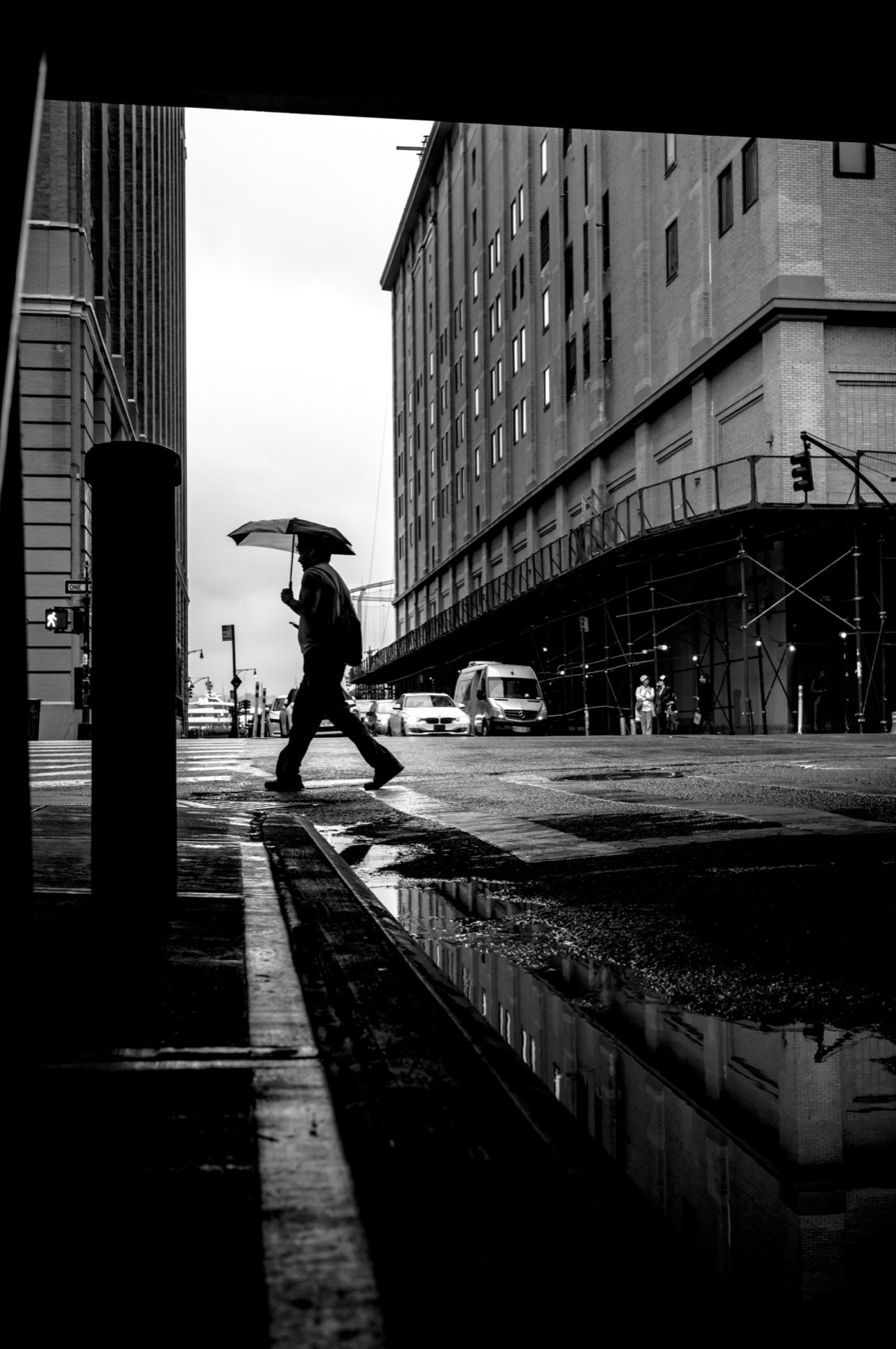
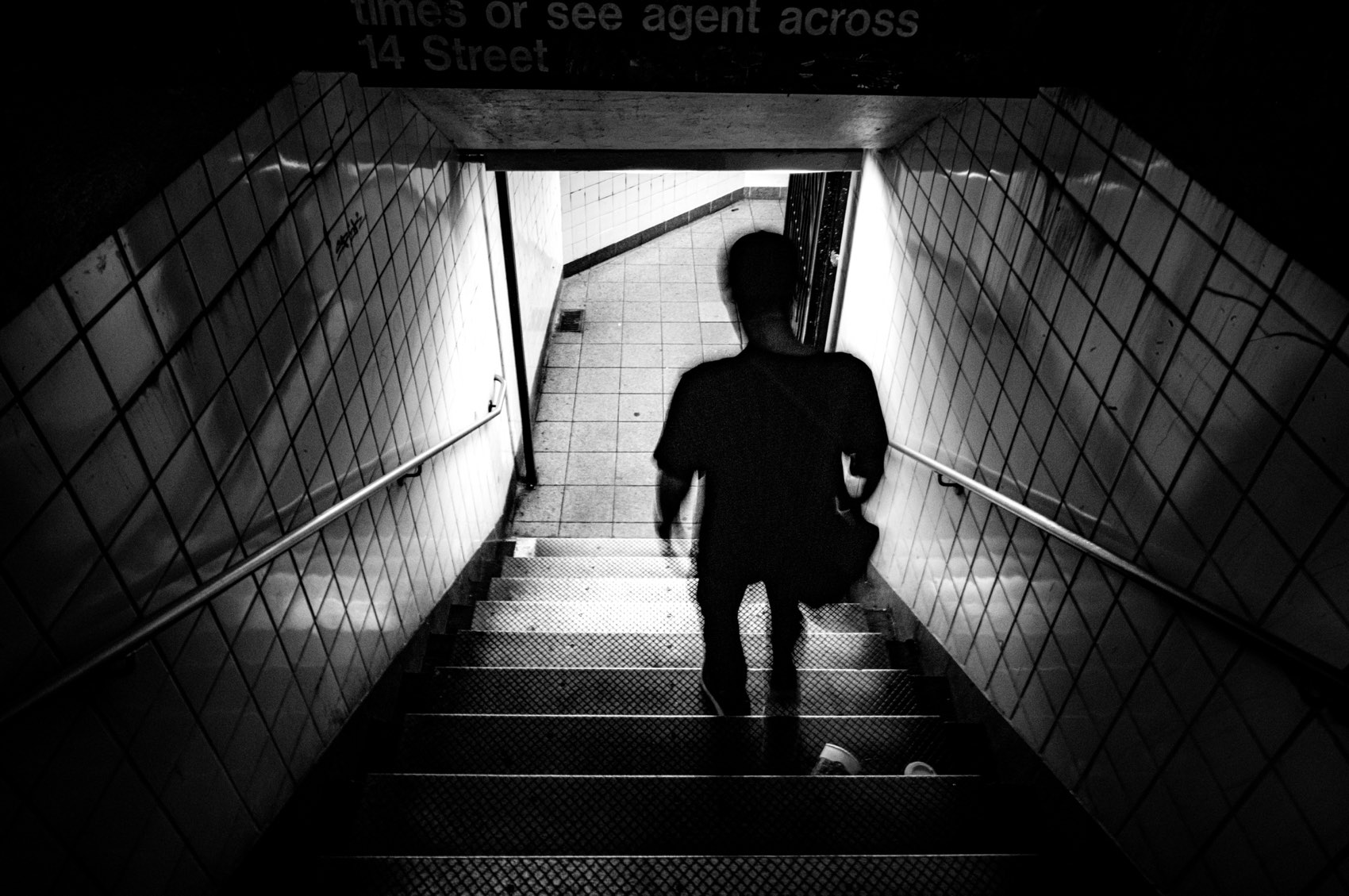
Here is the assumption I would most like to remove. People believe they need a wide lens for street scenes and a longer one for portraits, and that belief is what sends them to the shop. Both of the frames below are 35mm, on the same body, on ordinary days.


Nothing changed but where I stood. The lens people think they are missing is mostly their own feet, and feet are free.
When a second lens is earned
I am not against more than one. Look at the count again: 44 frames at 21mm is not a rounding error, it is a lens doing real work. But notice the order. The 21mm earned its place after the 35mm had become invisible to me, not before, and it earned it by doing something the 35 genuinely cannot do: stand close enough to be inside the situation and still keep the whole room in the frame.
Put a wide frame and a longer one side by side and you can see why that order matters.
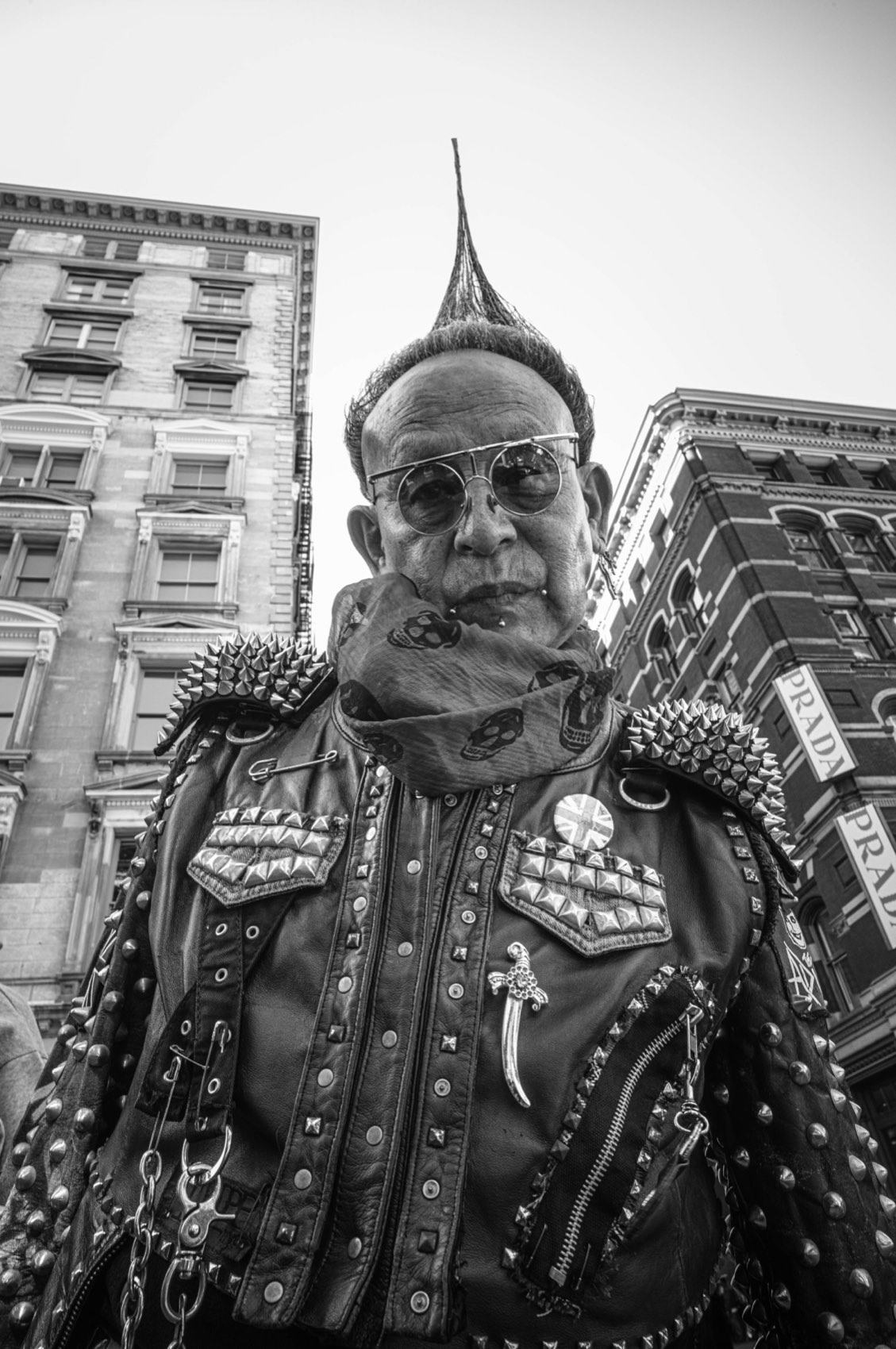
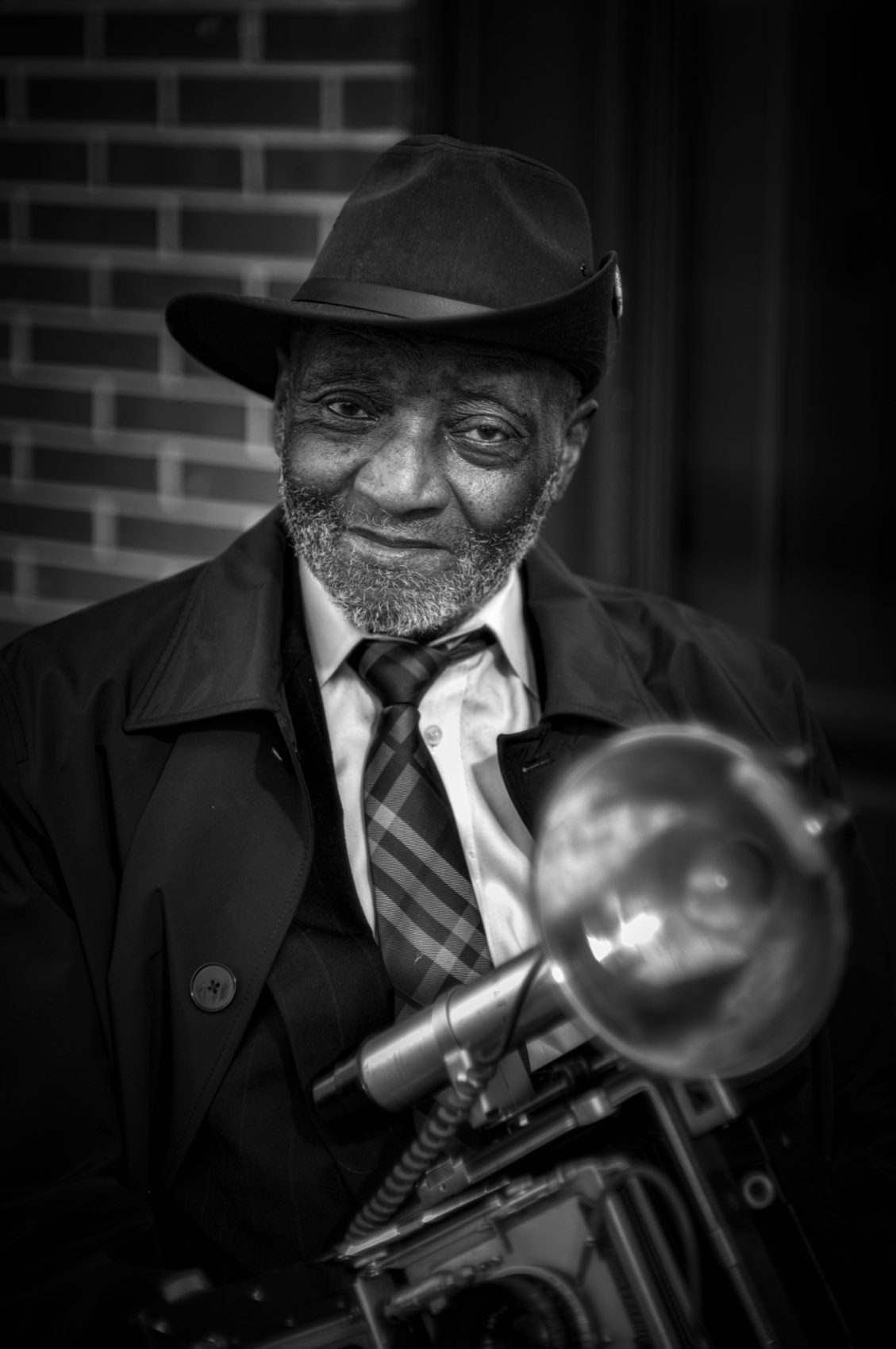
Both of those lenses have an accent. The 21mm leans the buildings in and stretches whatever is nearest the front. The 50mm separates and compresses. You can see the lens in each picture, and that is precisely why neither of them makes a good first lens. A lens with a strong accent will teach you its accent instead of teaching you your seeing. You end up making pictures that are about the glass.
A 35mm has almost no accent, which makes it boring to read about and the best thing to learn on. It gives you back exactly what you chose to stand in front of, including the times you chose badly. That honesty is the teaching.
Do not buy until you know what you own cannot do
This is the part I would hold to hardest. Do not invest in new glass until you have figured out what you already have.
I own a camera with a fixed 43mm on it. I bought it because I kept having the same argument with myself between 35 and 50, and I wanted the argument settled by a camera rather than by me, at eleven at night, on a street corner. That purchase made sense only because I had already spent years at both focal lengths and could name the exact problem I was buying my way out of. Bought first, it would have been a guess with a receipt.
The test: name the photograph you could not take last month, and be honest about whether the reason was the lens or where you were standing. If you cannot name one, the lens is not the thing holding you back.
Most of the time the honest answer is the standing. That is good news, because it is the only one of the two you can fix this afternoon and for nothing.
How to actually do it
- Pick the lens already on the camera most. Not the most interesting one, not the most expensive one. The one your hand keeps reaching for is telling you something true about how you see.
- Leave everything else at home for three months. Not in the bag unused, at home. A lens in the bag is still a decision you are carrying around, and you will make it at the worst possible moment.
- Keep a one line note every time you want a frame you cannot get. On your phone, in the moment, ten words. Not the picture, the reason: too far, too close, too dark, could not get back.
- At the end, read the list. If most of it says the same thing, you have found your second lens and you know its name and why. If the list is short, or it mostly says you were standing in the wrong place, you have saved yourself a purchase and learned something better.
Three months sounds long because we are used to gear being a weekend decision. It is not long at all. It is one season of light, which is roughly the smallest unit in which a focal length becomes second nature.
Everything else I say out loud on a walk is written down in the walk guide, free, and what is actually in my bag is listed on the camera bag page, counted from the archive rather than wished for.
One lens, long enough that you stop noticing it. Then, and only then, a second one that you can name a reason for.