Events
Walks and workshops. Not a lecture about black and white, a day of doing the uncomfortable part with other people doing it next to you. That is the only reason any of us get better.
What a walk actually is
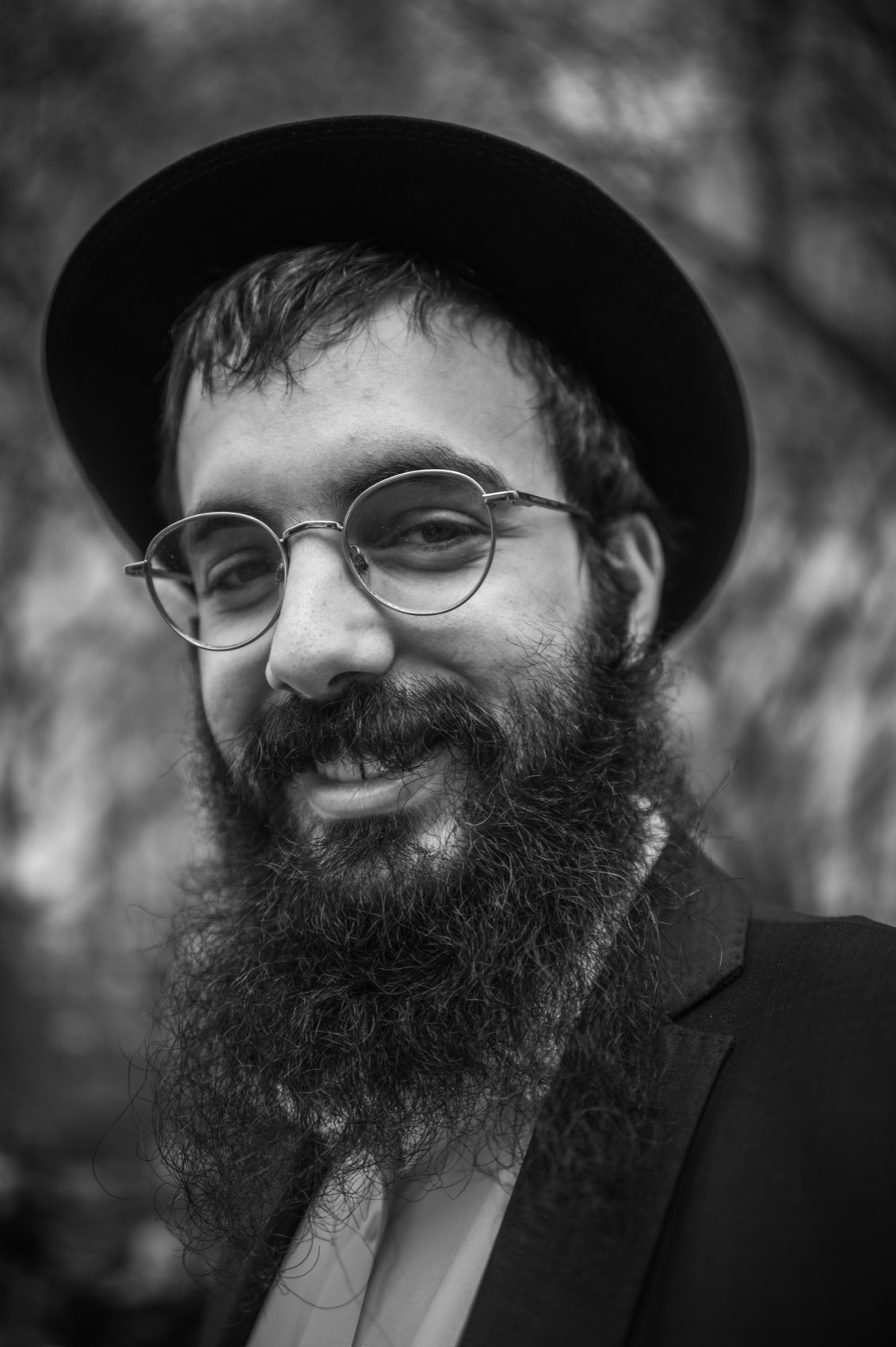
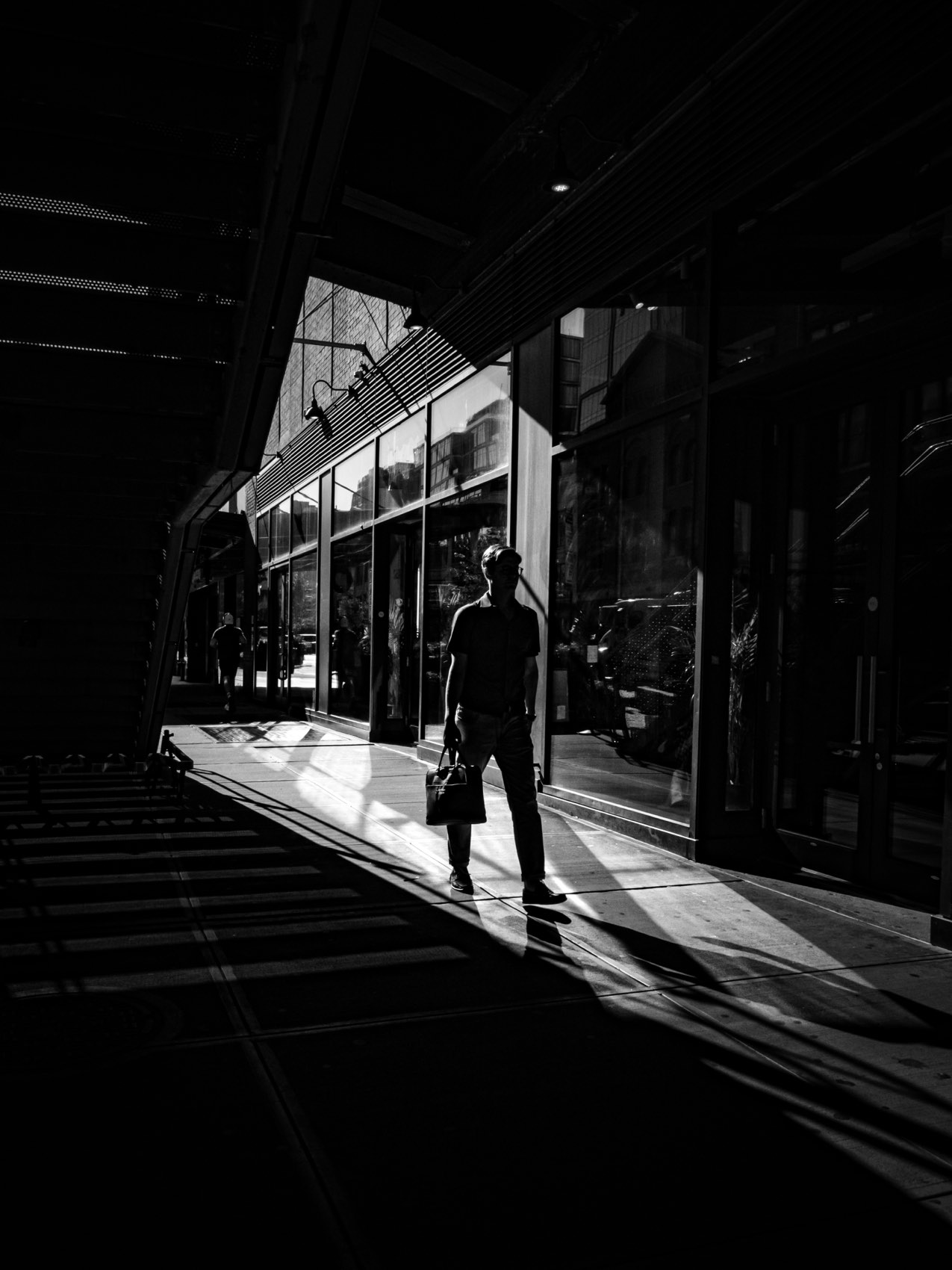
We take a block at a time. We work the light, we wait, and we shoot the same street until it gives something up. Most of the day gets spent on the one question everybody actually came to ask, which is how you walk up to a stranger and make the picture.
There is no classroom part. You will be on your feet, on the street, for most of it, and you will be doing the thing rather than hearing about it.
Upcoming
LeicaPalooza, Chicago
A photo walk and workshop hosted by Tamarkin Camera. Around seventy people came out. What happened →
DoneThe city is being decided
New York, Paris, Medellín, Zurich and Chicago all came out of walking somewhere slowly with a rangefinder and no plan. The next one gets picked by whoever asks loudest. Send a city.
OpenFor schools and academies
If you run a photography programme, a camera club, a university course or a workshop series, I travel for this. A day works, two works better, and it can be shaped around whatever your group is already studying.
Tell me the group size, the city, roughly when, and what level they are at. I will come back with what a day would look like and what it costs.
The teaching
Mindset
Being present, and being ready before the picture is. Front row, every time. Nothing else on this list works until this one does.
Approach
How you get close. What you say, how long it takes, what to do when somebody says no, and why the frame worth keeping is usually the one right after they stop posing.
Gear
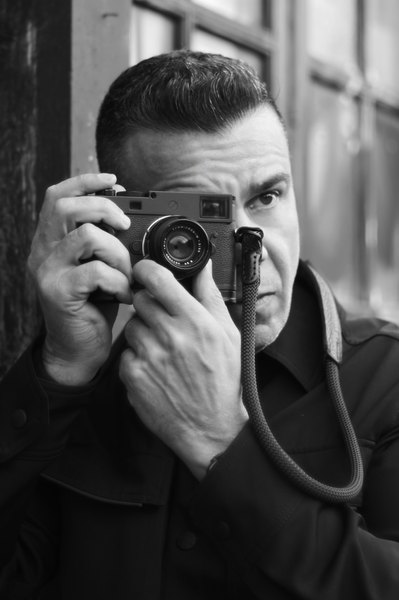
What I actually carry and why. Available light, no lighting, no setups. Also an honest account of how much less it matters than people want it to.
Theory
Committing to black and white before the shutter rather than after. Tonal separation, silhouette, and metering for the brightest thing in the frame. The long version →
You should leave with more questions than you walked in with.
That is the whole aim, and it is the opposite of what a workshop usually promises. The questions are there to be formulated and answered, over and over, each time somebody wants to become an alibi of a moment.
Free, and no catch
All four of those are written down in full, for nothing. Settings you do once and never touch, the ten things worth looking for, how to actually ask a stranger, and why standing still in one plain place beats walking further. If you never come on a walk, it still works.