Leica M11-P
36%
The one that leaves the house most. Rangefinder, zone focused, quiet enough that nobody looks up, which is the entire argument for it on the street.
Not a wish list, what actually took the pictures. The shares below are counted from the files themselves, across a sample of nine hundred frames drawn from the whole archive.
The one that leaves the house most. Rangefinder, zone focused, quiet enough that nobody looks up, which is the entire argument for it on the street.
No colour filter array, so no demosaicing and no way to change your mind later. That constraint is the point: the black-and-white decision gets made in front of the subject, not in the edit.
The colour M. Comes out for the pastel work and anywhere the colour is the subject rather than a distraction.
Fixed lens, autofocus, macro when needed. What gets picked up when the day isn’t planned, the 43mm in particular sits between the two focal lengths I would otherwise argue with myself about.
The working body. Longer glass, video, anything on a client clock where autofocus and a proper finder earn their weight.
Pocket cameras. The GR for when carrying anything visible would change the picture, the X100VI for travel, the D-Lux when a small zoom is genuinely useful.
Product and studio work, mostly for Owlkrown, where resolution and tethering matter more than being discreet.
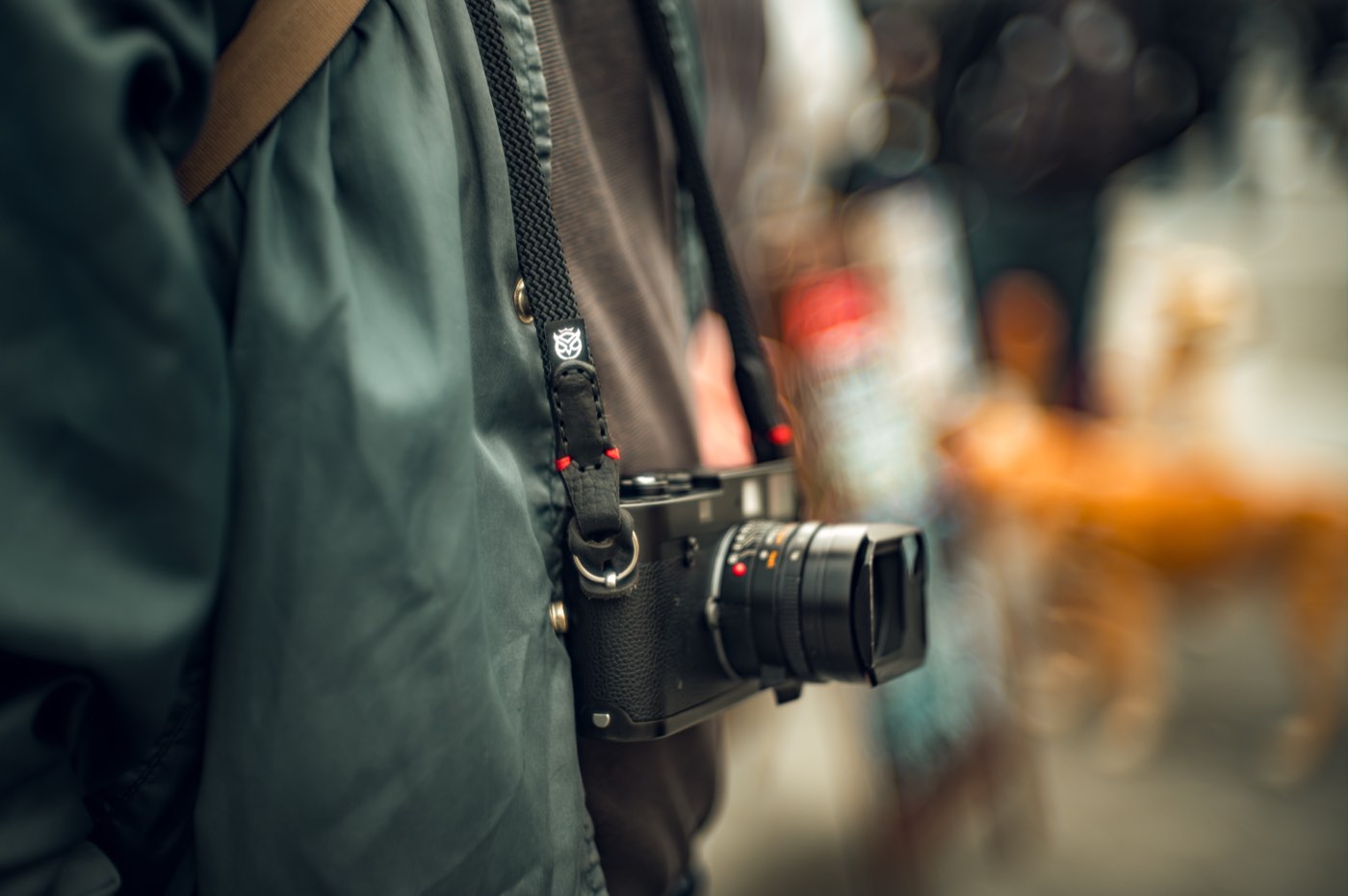
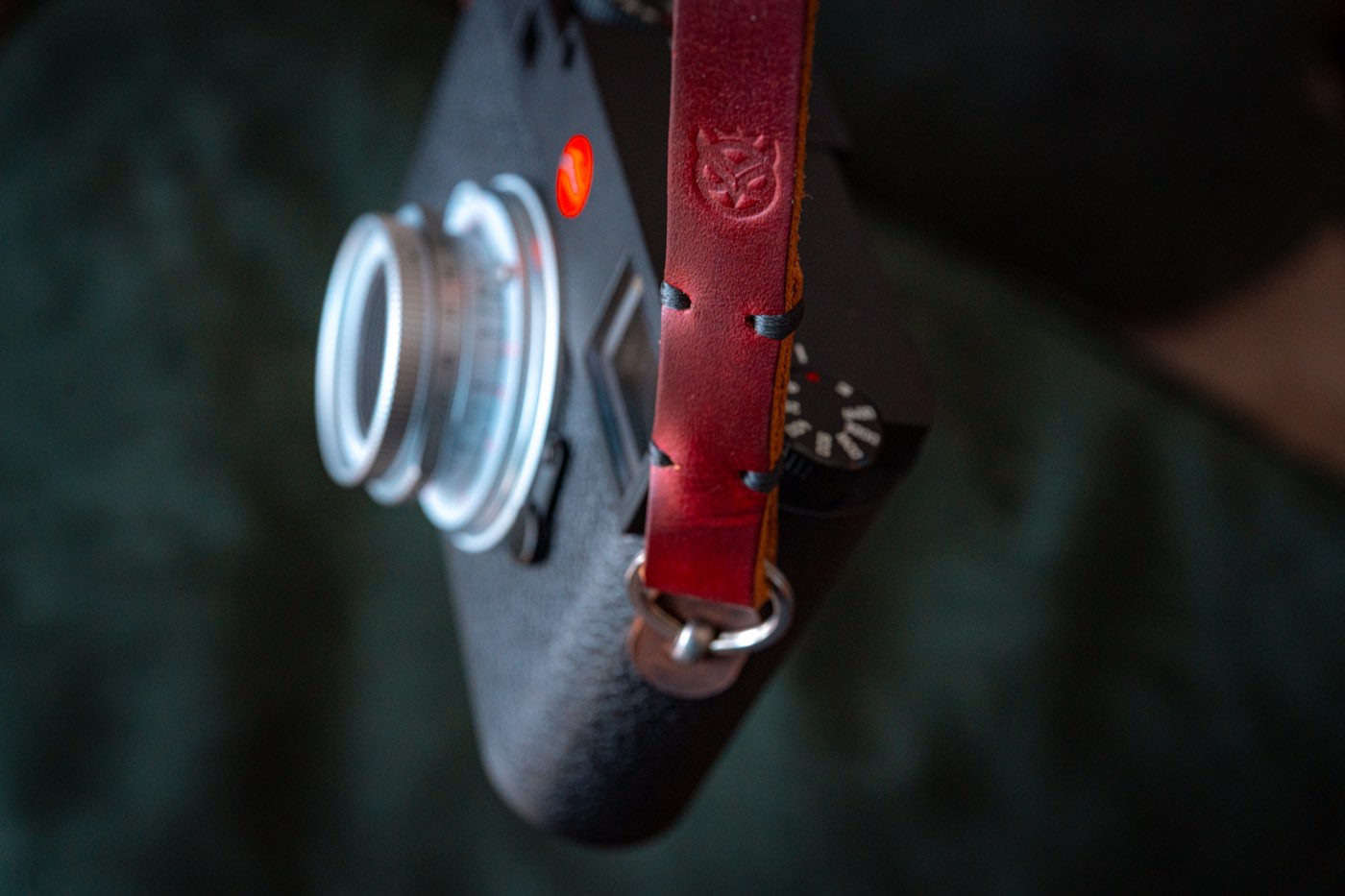
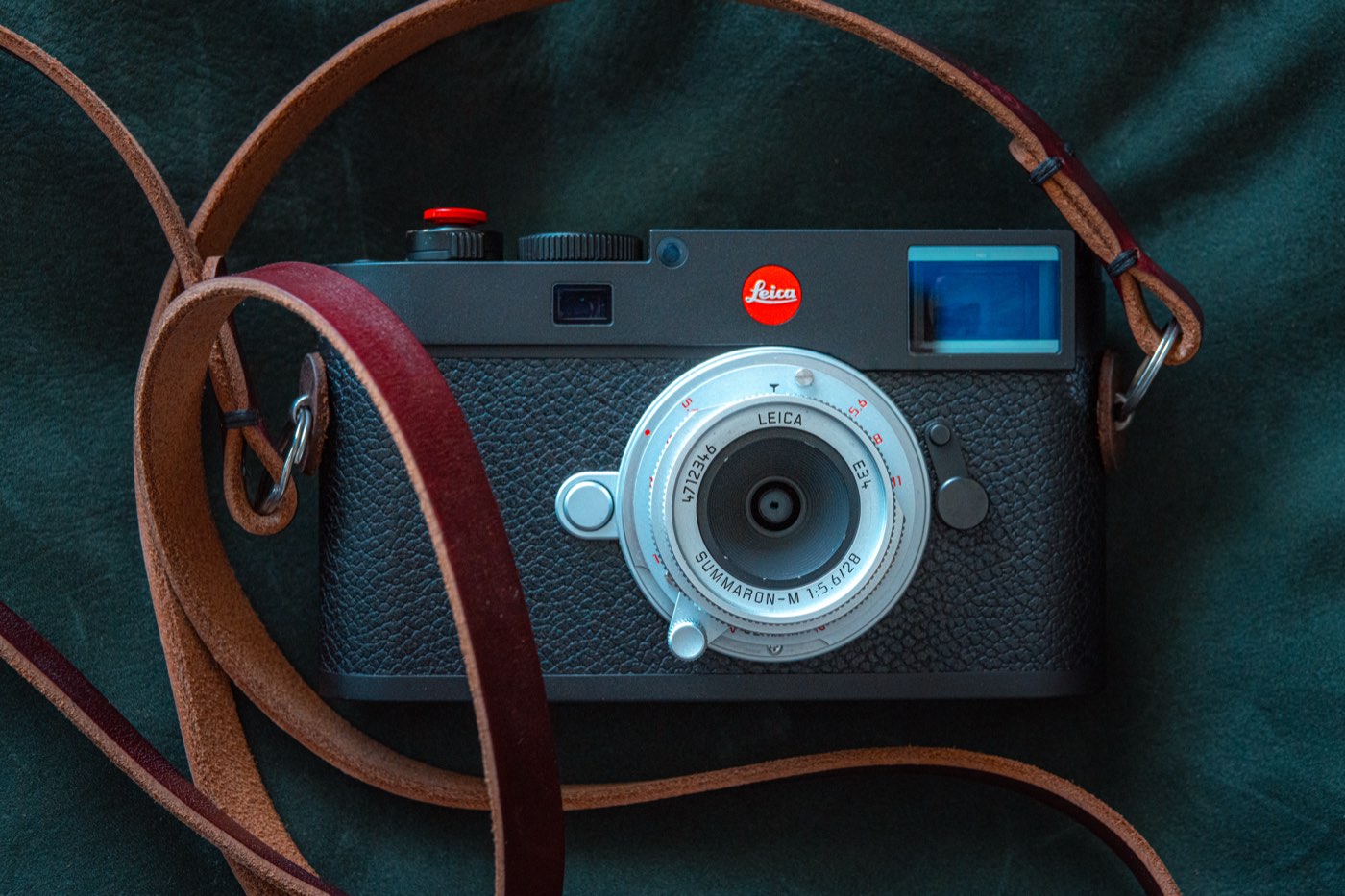
These are Owlkrown’s own accessories, designed around the M because that is what I carry. Full range, sizes and fit guides live on the store.
See the range at OwlkrownNone of this list is a recommendation. Three quarters of the archive would look the same shot on something far cheaper, because what actually decides a frame is where you stand and how long you are willing to wait. Buy the body that makes you carry it every day; the rest is detail.
Read the journal instead